Balancing Silicon and Soul: The Future of AI in Primary Education
May 09, 2026The buzz surrounding Artificial Intelligence is loud enough to rattle any classroom window. But as we navigate this "hiatus" of hype, educators are faced with a critical question: how do we integrate this technology without accidentally outsourcing our children's ability to think?
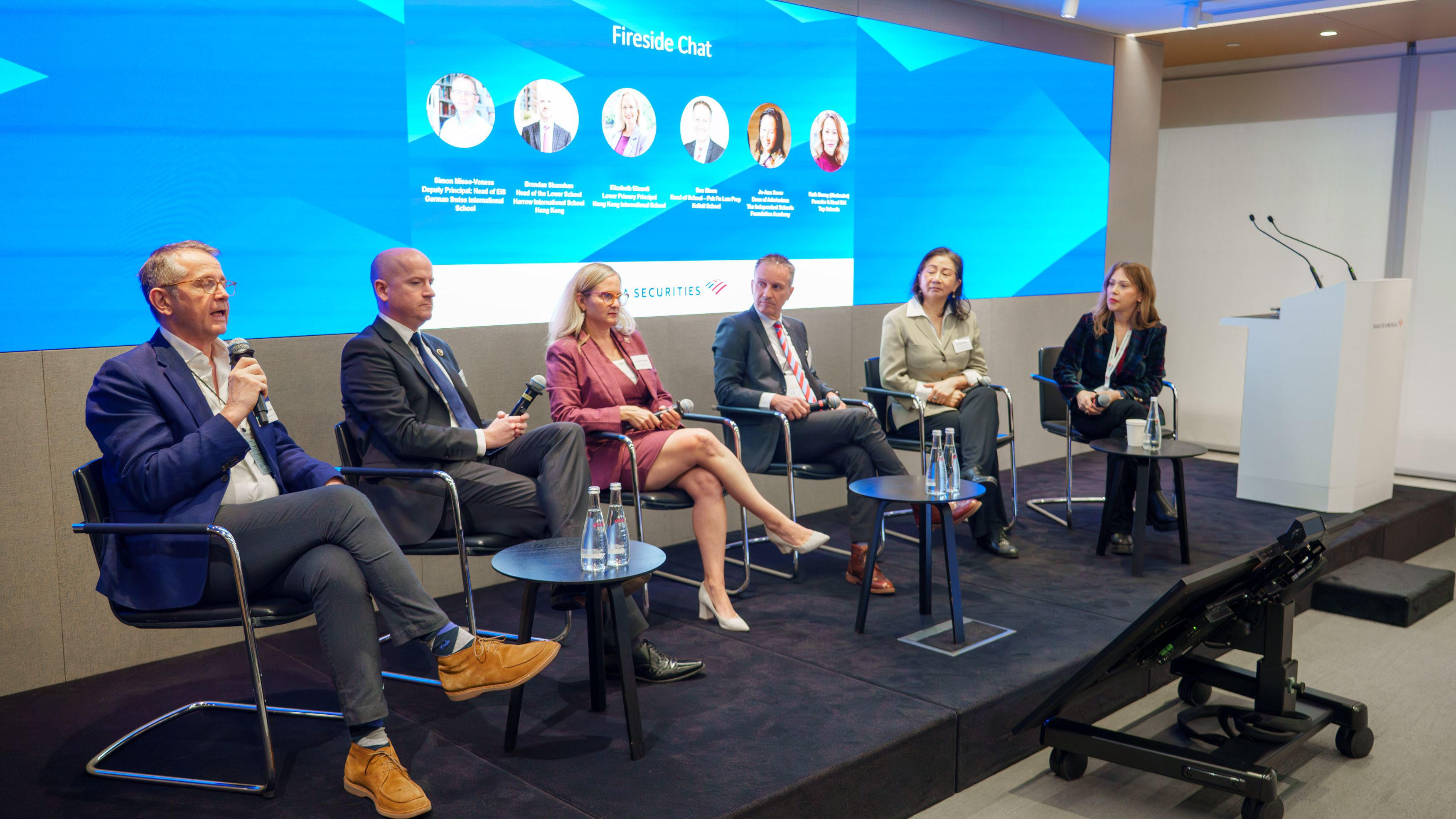
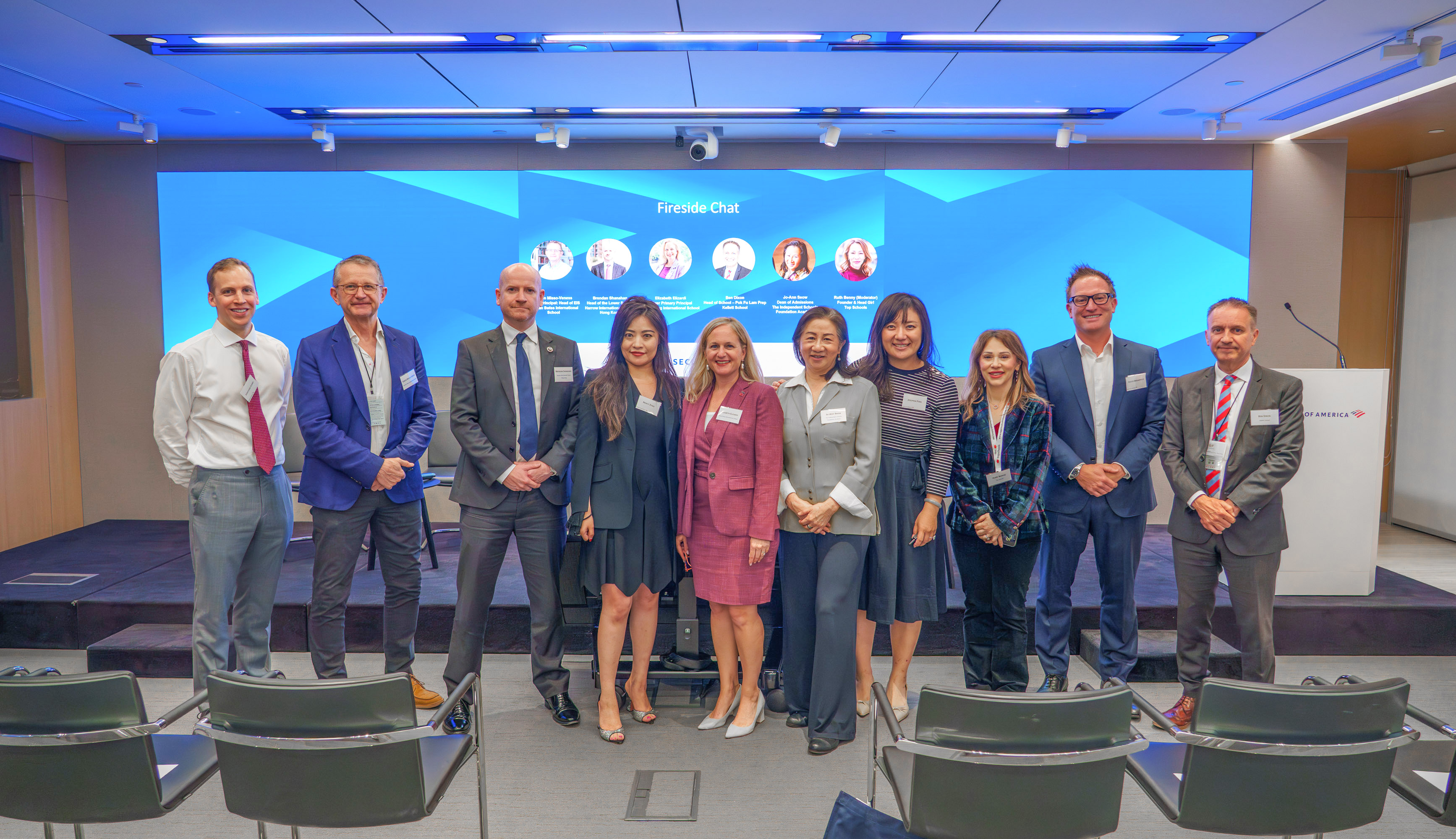
Recently, I sat down with leaders from Hong Kong’s top international schools sat down to discuss - among other things - the delicate balance between embracing the digital future and protecting the foundational "human loop".
Our speakers for this event were:
Elizabeth Elizardi, Lower Primary Principal - Hong Kong International School
Simon Misso Venness, Head of English International Stream - German Swiss International School
Jo-Ann Seow, Dean of Admissions - ISF Academy
Ben Dixon, Head of School Pokfulam Prep, Kellett School
Brendan Shanahan, Head of Lower School - Harrow International School Hong Kong
Protecting the "Thinking" Muscle
While AI can generate an essay or solve a problem in seconds, it cannot replace the cognitive development that happens between the ages of six and nine. Educators are emphasizing that while the world is going "whoosh" with new apps, the school environment must remain a controlled space.
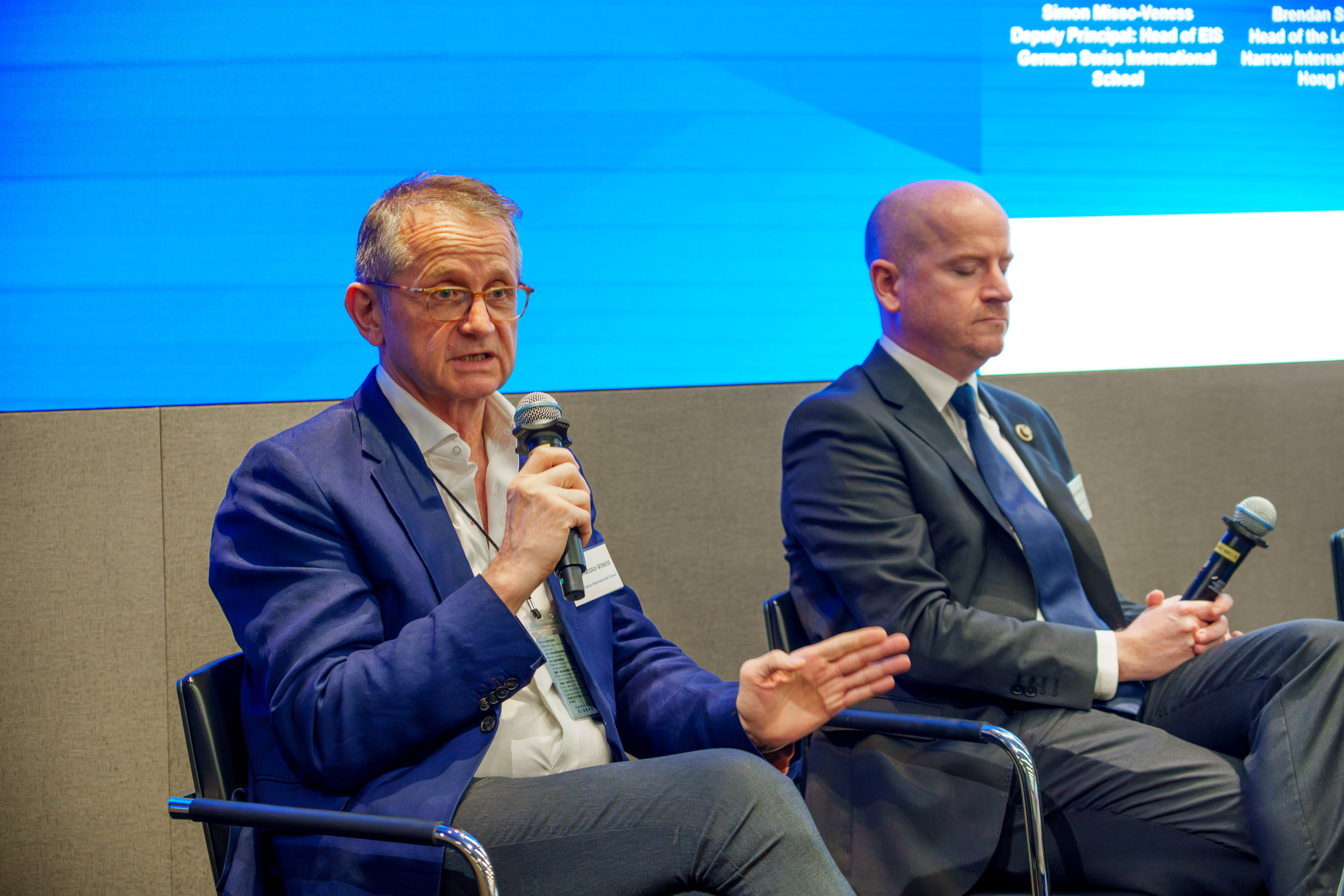
The goal isn't to ban the machine, but to ensure it doesn't replace the process of learning. As Simon Misso Venness, Head of English International Stream at German Swiss International School noted, we must be careful not to "offload" human thinking to the latest technology . Instead, the focus remains on:
-
Human Connection: Prioritizing relationships and foundational skills in lower primary
-
The Basics: Driving education through reading, comprehension, and word acquisition so children can actually understand the world they are eventually going to prompt.
-
A Strategic Roadmap: From Year 1 to Graduation
Schools aren't just jumping on the trend; they are building a "well-planned progression" of skills . The consensus is that AI should be a resource, not a pedagogy .
| Age Group | Integration Strategy |
| Lower Primary (Y1-Y2) |
Generally not student-facing. Focus on "picture of the day" discussions to spark inquiry.
|
| Middle Primary (Y3-Y5) |
Introduction of specific educational AI tools. Lessons on the validity of websites and ethical use.
|
| Upper Primary/Secondary |
Transition to more self-directed use within protected, data-private platforms.
|
Teaching the "Critical Consumer"
Our teachers are "digital immigrants" teaching children who are "digital natives". Because our children will live in a world saturated by AI, they must be taught to be critical consumers from the start .
This starts with simple, powerful questions. Elizabeth Elizardi, Lower Primary Principal at Hong Kong International School, shared an example of a first-grader looking at a real travel photo and asking, "How do I know that's not AI?". Fostering that skepticism is perhaps the most important digital literacy skill we can provide.
The Final Word on Homework
In a refreshing twist for students (and perhaps a relief for parents), the panel touched on the efficacy of homework. According to Simon Misso Venness, there isn’t a single piece of research suggesting homework is useful for children under 11, unless the goal is specifically to teach "self-management" . It seems the focus is shifting away from rote tasks at home and toward meaningful, human-centered enquiry in the classroom.
AI is here to stay, but in the primary years, the most important "operating system" is still the one inside the student's head .
Get support today!
Request a no-obligation, friendly chat with a member of our expert team:
We hate SPAM. We will never sell your information, for any reason.
